jewish burial customs 24 hours
Unless the passing occurred on Thursday one should not wait until Friday for the burial. However many modern funeral services will happen later so friends and family members can all attend.

Pin On Cemeteries 0
One may delay the burial in order to arrange the funeral but that delay should be as minimal as possible preferably before 24 hours have passed.
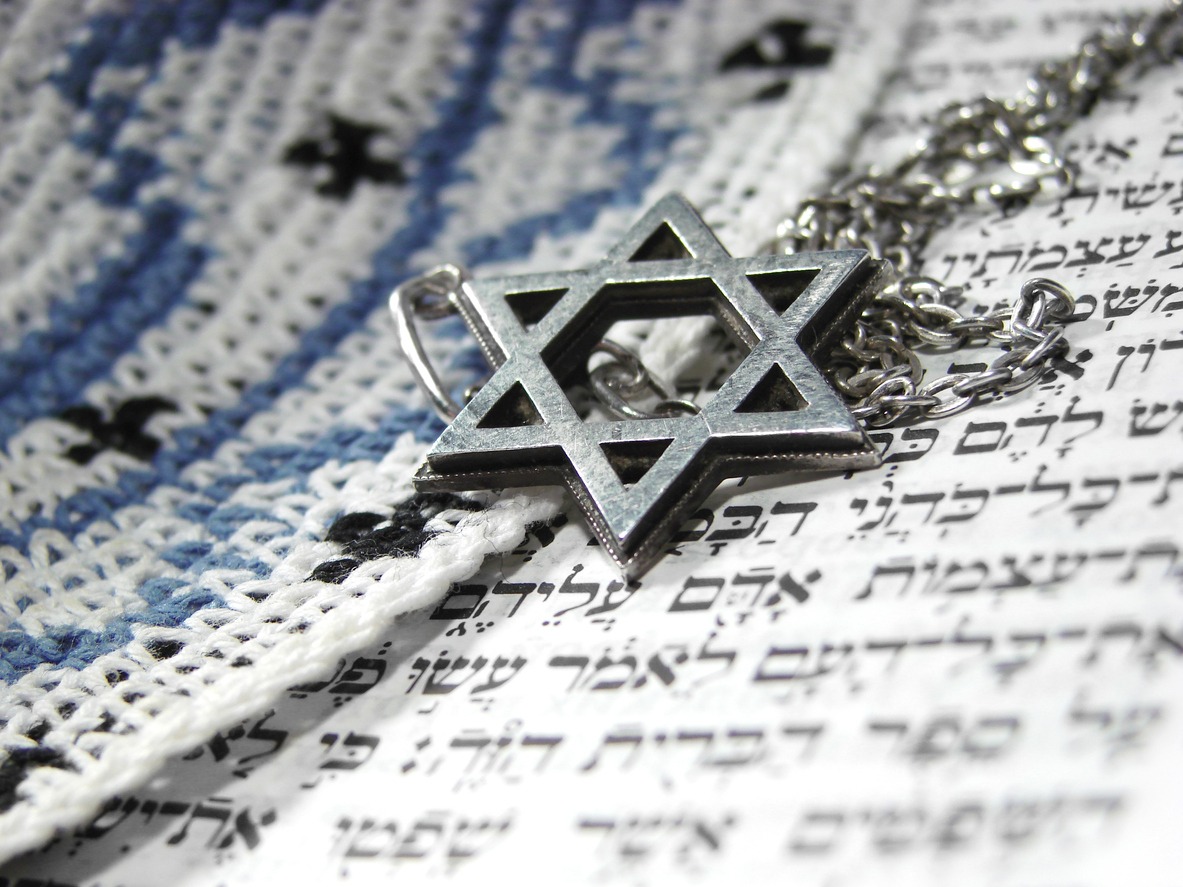
. A few notable Jewish burial traditions affect the planning and coordination when laying a loved one to rest. Under Jewish practice the body should be buried as soon as possible and preferably within 24 hours if at all possible. The funeral is a private time for the family and the religion provides that there is no public viewing of the.
Traditionally burial takes place as soon as possible-within 24 hours. In addition during services on Yom Kippur Shemini Atzeret the last day of Passover and Shavuot after the haftarah reading in synagogue close relatives recite the mourners prayer Yizkor May He remember in synagogue. It will take place either in a Jewish funeral home synagogue or temple and then follow to the cemetary.
However in the modern world there is allowance and acceptance to delay the burial for mourners to travel and for appropriate arrangements to be made. The anniversary of death on the Jewish calendar is called in Yiddish yahrtzeit or yortsayt or in Hebrew nachala and each year on this date close relatives of the dead light a candle for 24 hours and read the mourners kaddish. Traditionally a Jewish burial is supposed to take place within 24 hours of death.
Jewish funerals are not held on the Sabbath or any other holiday. However in the modern world there is allowance and acceptance to delay the burial for mourners to travel and for appropriate arrangements to be made. Jewish law requires burial within 24 hours of death.
The health wellbeing and. Ideally the placement of the casket in the ground should happen. A Jewish funeral usually occurs within 24 hours after the death.
As mentioned Jewish law mandates that the burial should take place within 24 hours after death. Jewish Funeral and Mourning Customs. As for orientation of the body there is no Halacha about this only different customs.
However there are always exceptions. They usually take place within twenty four hours of death or the soonest possible. Jewish Funeral Overview.
Funerals and the Shiva period the week following burial are times that are marked with friends and relatives with the same commitment and closeness that are shared at times of celebration. Jewish funeral traditions are different than other religions. Most times a funeral outside of Orthodox communities cannot be planned that fast today.
According to Jewish law burial of the deceased had to occur within 24 hours of the individuals death Deuteronomy 2123 because of climate factors in order to maintain ritual purity. Special Announcement Mar 17 2020 Despite these uncertain times we expect to continue to deliver the same level of excellence to families in our community. Later a religious layer was added.
Here are a few common Jewish burial customs and Jewish death rituals. This is not always possible and given the fact that many modern Jewish families are spread out around the country it usually becomes necessary to wait a day or two until all of the mourners can arrive. Funeral services are held at a synagogue funeral home or at the gravesite.
Perhaps the burial must be delayed because close relatives need travel time. Funerals are prohibited on the Sabbath therefore its allowable to wait until Sunday. Soon after death family members of the deceased would mourn and prepare the body for burial.
As long as the sun is out the body shouldnt stay at night. Its not a good idea for his body to stay up all night long. Attending a Jewish Funeral According to traditional Jewish burial customs burial should take place as soon as possible before nightfall or at latest within 24 hours after the death.
However this is not always possible. In the Jewish tradition after the death of a practicing member of the faith the deceased should be buried as soon as possible customarily within 24 hours of death. Jewish funerals cannot take place on Shabbat or on most Jewish holidays.
Kelly Smith Essex UK November 15 2011. However in modern times the funeral can be delayed for legal or practical reasons to avoid religious holidays or to wait for the arrival of family members. The admonition to do so stems from the book of Deuteronomy which says that unnecessarily failing to bury a body.
In accordance with Jewish tradition the ash ashone Torah tells us that the next day you shall bury the dead. On these occasions many families also give donations and strive to do good deeds in remembrance of the dead. Special Announcement Mar 17 2020 Despite these uncertain times we expect to continue to deliver the same level of excellence to families in our community.
Rush for the Jewish funeral I feel that the original reason was for hygene and protection from wild animals. It is traditionally believed that a Jewish burial will take place within 24 hours of death of a Jewish person. A traditional Jewish funeral occurs within 24 hours of the time of death as it is a sign of respect to the deceased.
In some occasions there will be a small wait of a day or two to honor the deceased by waiting for an overseas family member. His body should not remain all night. Traditionally a Jewish funeral should typically take place as soon as possible - usually within 24 hours after death.
A Jewish funeral usually occurs within 24 hours after the death. This is done in accordance with the Torah sacred Jewish scripture which says You shall bury him the same day. Followed strictly by the Torah a powerful Jewish scripture stating The same day he shall be buried.
Jewish burial timing encourages families to complete the burial as soon as possible. While the intentions are to console or comfort our bereaved friends or relatives it sometimes is difficult to know. Respecting Jewish Traditions Suspending the Requirement of Burial within 24 Hours.
There is no public viewing of the body. The health wellbeing and. Mourners light a candle in honor of the decedent that burns for 24 hours.
I believe this religious layer was added to many traditions practiced prior to Abraham. Circumstances transporting the deceased traveling long distances to attend the funeral may require a delay but burial should still occur as soon as possible. How Soon After Death Must A Jewish Person Be Buried.
Because it is considered disrespectful to leave a body unburied this is considered to be one of the most important. According to the traditional Jewish calendar a burial usually takes place within 24 hours of death of the holder. Or the death occurred on Shabbat the Sabbath or another holy day in.

Jewish Traditions For Death Burial And Mourning Rohatyn Jewish Heritage

Pin On Shroud
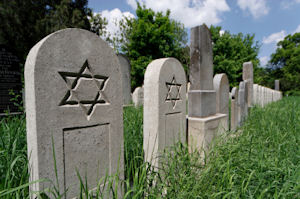
Jewish Burial Customs
Jewish Mourning Faq My Jewish Learning
Jewish Funeral Traditions 15 Important Things You Need To Know
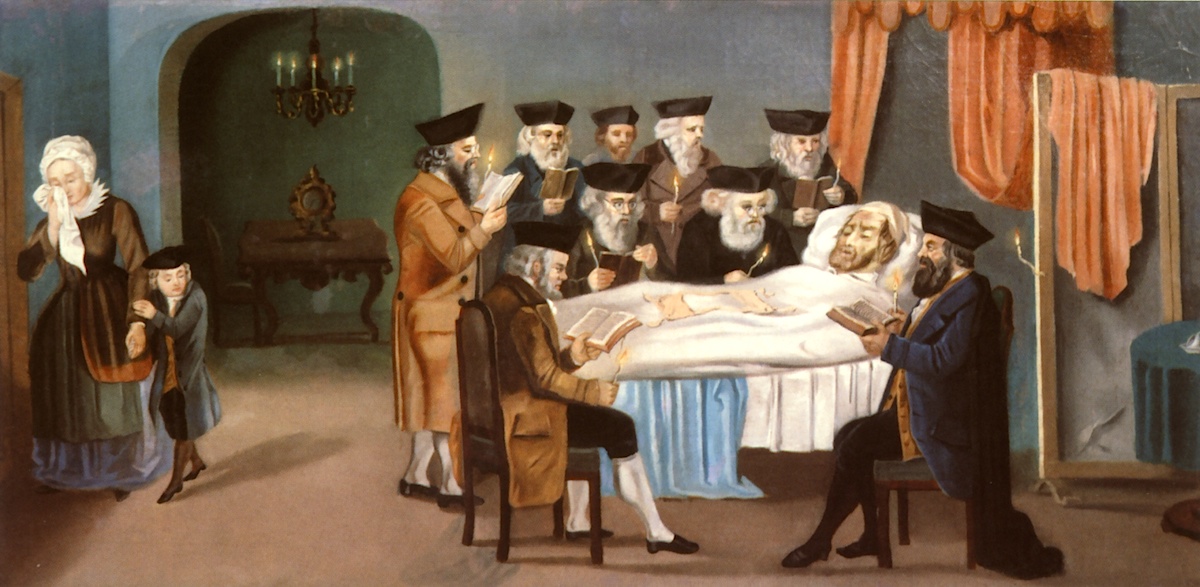
Jewish Traditions For Death Burial And Mourning Rohatyn Jewish Heritage

Pin On Judaism

Pin On Life Cycle

Pin On Human

Pin On Kids Websites Etc

Pin On Jewish Funeral Customs
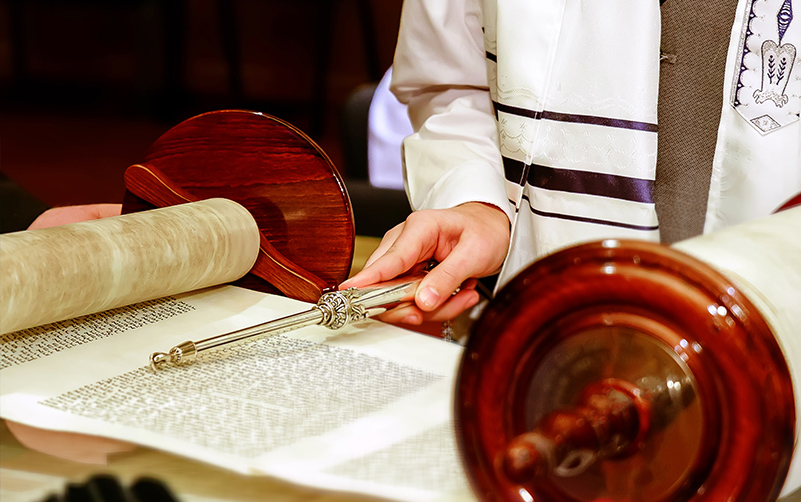
Jewish Funeral Customs Funeral Partners

Pin On Burial

Cemetery Grave And Tombstone In Judaism Death Mourning
Jewish Funeral Service Rituals And Customs What You Need To Know

Timeline Of Jewish Mourning My Jewish Learning
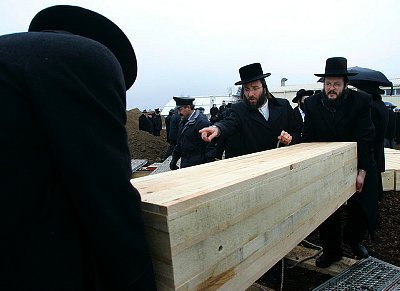
Closed Caskets At Jewish Funerals Jewishboston

Pin On Bible Art
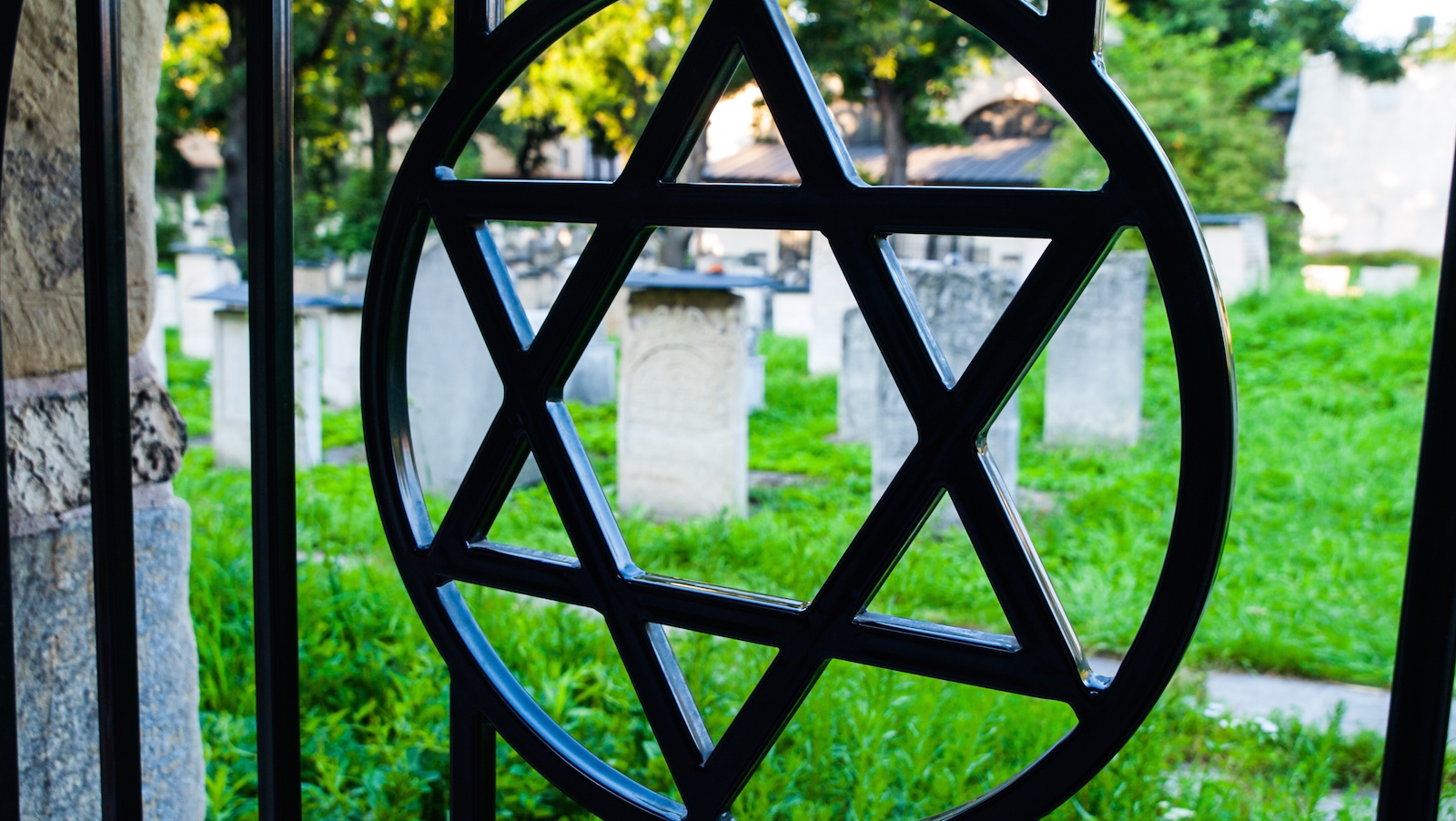
Timeline Of Jewish Mourning My Jewish Learning